Garden Clearance in Thornton Heath

Garden clearance in Thornton Heath should leave outdoor spaces ready for practical use, easier upkeep and a cleaner finish. Our service is focused on removing accumulated green waste, broken outdoor items and other non-hazardous garden clutter so the remaining space can be used more confidently. Whether you are dealing with a one-off tidy-up after a seasonal burst of growth or a fuller clearance that includes long-standing debris, we handle the work in a straightforward, careful way.
The service covers a wide range of garden-related waste and awkward material that can be cumbersome to sort out alone. That may include branches, hedge cuttings, leaves, turf, old plant pots, damaged garden furniture and general outdoor rubbish that has built up over time. Where access is tight or the load is mixed, we separate what can be removed from what should stay on site, helping keep the process orderly and sensible from start to finish.
For a simple first step, think about what needs to go, what should remain, and whether any items are bulky or stacked in awkward places. A clear outline of the work helps us understand the scale of the clearance and plan the right approach. If you are ready to move ahead, you can request a quotation once you have a basic idea of the items involved.
What our garden clearance service covers
Our garden clearance work is built around removing unwanted outdoor material without turning the job into a disruptive project. We can take loose green waste, old containers, worn plant supports, broken ornaments, and other items that no longer belong in the garden. When the space contains both organic waste and general outdoor clutter, we work methodically so the clearance remains efficient and the usable parts of the garden are not disturbed unnecessarily.
The service is useful when a garden has become difficult to maintain because waste has been left to accumulate over several seasons. Rather than tackling each item separately, we can clear a combined load in one visit, subject to the nature of the material and how it is stored. Bulky or tangled waste is often the main challenge, so we focus on sensible sorting, lifting and loading rather than asking you to manage that part yourself.
We also consider the condition of the space itself. Some gardens need a light clearance to regain access to paths, beds or storage areas, while others need a more substantial emptying of cuttings and discarded items before any further work can happen. If you would like to compare the main options first, our garden clearance page gives a straightforward overview of the service scope and helps you decide whether it suits your needs.
Green waste, branches and seasonal cuttings
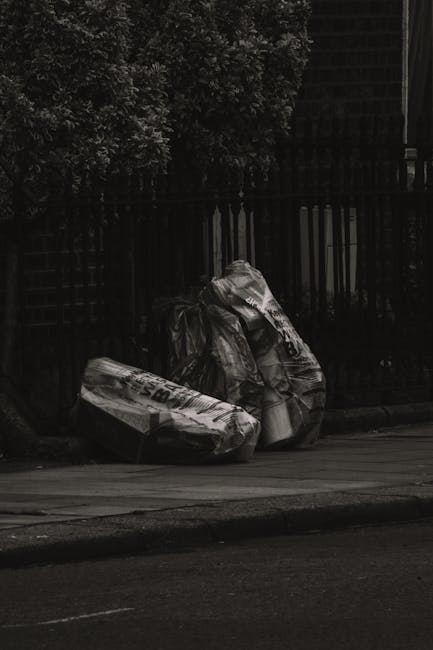
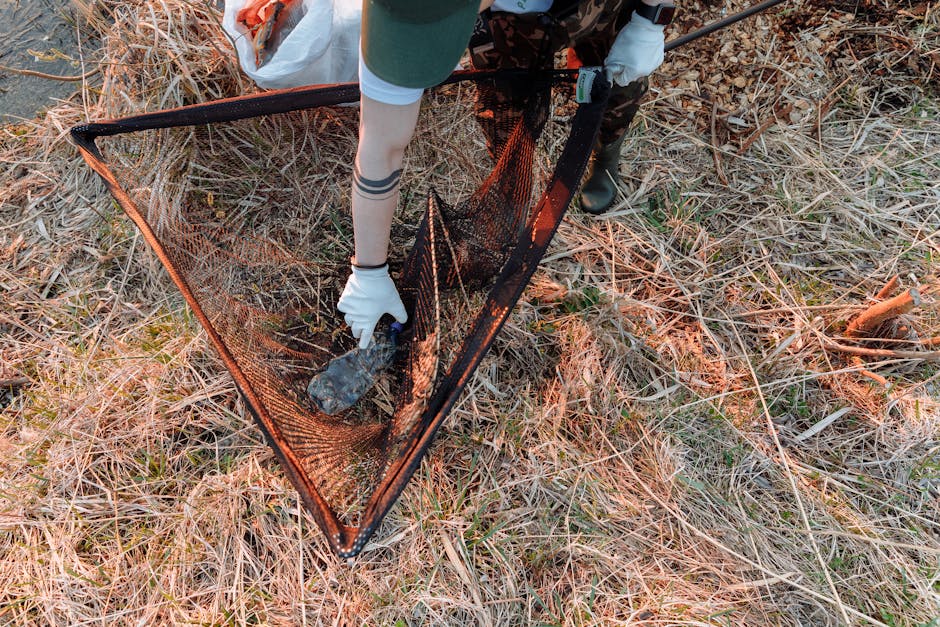
Green waste is often the largest part of a garden clearance, especially after pruning, hedge trimming or an end-of-season tidy. We can remove cuttings, small branches, twigs, leaves and other plant material that has been bagged, bundled or left in piles. If the waste includes a mix of soft growth and woody material, we assess how it is stored so we can load it in a way that is safe and practical.
Seasonal clearances are often about more than visible tidiness. Thick piles of clippings can block borders, hide damaged edging or make regular maintenance more awkward. Clearing the material away can restore access to key parts of the garden and make it easier to see where further work might be needed. In many cases, the task is less about redesign and more about removing the build-up that has made the space harder to manage.
Where larger outdoor projects are involved, the waste can include soil-spattered planting debris, cut timber, old canes or compost that is no longer useful. We keep the focus on practical removal rather than unnecessary sorting on your side. For general domestic garden jobs, waste removal can be a useful related option when the clearance includes mixed household or outdoor rubbish alongside the green waste.
Outdoor furniture, sheds and broken garden items
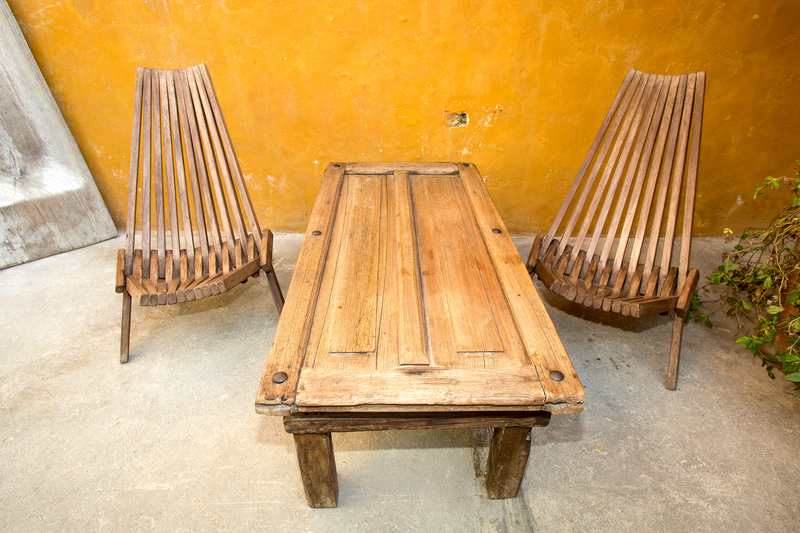
Garden clearance is not limited to plant waste. Many jobs also involve old or damaged items that have been left outside because they are too awkward to move during normal household tidy-ups. That can include faded tables and chairs, broken planters, cracked storage boxes, spare fencing panels, disused equipment and similar objects that take up space. Our aim is to clear these items in a way that keeps the job organised and the garden accessible.
Some outdoor items are light enough to move easily but awkward because of their shape, while others are heavier and require a more careful lift. We assess the load with that in mind and work through it in a structured order. We do not treat every garden as the same; the layout, the amount of clutter and the type of objects involved all affect how the clearance should be handled.
If your garden contains old furniture as well as general outdoor clutter, you may find it helpful to look at our furniture clearance page. It explains the removal of larger household and outdoor furniture items in more detail, which can be helpful where chairs, tables or storage pieces are part of the overall clearance.
Access, loading and keeping the work manageable
Garden clearances often depend on access as much as they depend on the volume of waste. Narrow side passages, rear entrances, steps, uneven paths and confined storage areas can all affect how the job is approached. We plan the load so it can be removed without causing avoidable disturbance to borders, paving or other garden features. When items are stacked or partly hidden, we work through them in a sensible order to keep the clearance controlled.
Two simple details are usually especially helpful: what type of material needs removing, and how it is currently stored. A rough description is often enough to judge whether the job is a light clearance or a more substantial removal. If you are preparing an enquiry, it can also help to note any access constraints such as narrow gates or items kept behind other objects. That sort of information makes it easier to prepare an accurate quotation and avoid unnecessary back-and-forth.
For customers comparing different kinds of clearance work, our home clearance service may be relevant where the job extends beyond the garden and into general household items. If the outdoor clearance is part of a wider property tidy-up, linking the two can save time and keep the process more efficient.
Recycling, sorting and responsible disposal

A well-managed garden clearance should be more than a quick load-and-go exercise. We aim to keep the work organised so the removed material can be separated appropriately where possible. Some waste is clearly organic, some items are reusable or recyclable, and other materials need different handling. The point is to avoid treating every piece of garden clutter as if it belongs in the same category.
That approach matters when the job includes mixed material such as branches, broken pots, timber, packaging from garden supplies and worn-out outdoor accessories. These items may all be part of the same cluttered space, but they do not all require the same treatment. Keeping the sorting sensible helps the clearance remain practical and supports better handling of the removed load once it leaves the garden.
If you want to understand our wider approach to materials, the recycling and sustainability page outlines the principles we use when handling suitable waste. It is a useful read when you want to know how mixed garden items are considered alongside broader disposal practices.
How we approach different types of garden clearance
Every garden has a slightly different mix of waste, so the job needs to be matched to the material on site. A tidy of a front garden with a few bags of cuttings is not the same as a larger rear-garden clearance with stacked boards, old pots and overgrown waste. We shape the work around the items present, the space available and the amount of lifting involved, keeping the process practical rather than overcomplicated.
There are also limits to what should be included in a standard garden clearance. Hazardous materials, heavily contaminated waste or items needing specialist treatment may require separate handling. We are best placed to discuss the exact contents before the job is booked, so the scope remains clear. That sort of early clarity usually leads to a more accurate quotation and a smoother visit.
For stronger context on our broader removal work, you can review waste removal and garden clearance together. The two pages help distinguish the general clearance of outdoor clutter from more all-purpose waste handling.
About Thornton Heath

Thornton Heath is a district in the London Borough of Croydon, positioned in south London and shaped by its long connection to the growth of suburban rail travel. Thornton Heath railway station opened in 1862 on the Brighton Main Line, and the area expanded significantly in the later nineteenth century as housing spread around the transport corridor. Today the district is known for its busy high street, terraced residential streets and a mix of older and later buildings that reflect repeated phases of development. Thornton Heath Pond, a notable local feature, sits close to the centre of the area and has long served as one of its best-known landmarks. The district also lies near Croydon’s larger commercial and civic core while retaining its own distinct identity, with everyday shopping, places of worship and community activity centred along the main routes. St Paul’s Church, with its prominent spire, is one of the architectural markers often associated with the locality, while nearby recreation spaces such as Grangewood Park add green relief to a densely built urban setting. The area’s streets show a varied townscape of Victorian and Edwardian housing, later infill and commercial frontages, giving Thornton Heath a layered character rather than a single uniform look. Its position within a larger borough means it sits at the meeting point of neighbourhood life, commuter movement and local retail, which has helped shape the district’s practical, lively atmosphere over time.
Household and garden combined clearances
Some customers need the garden cleared at the same time as other parts of the property. In those cases, it can be sensible to deal with the outdoor waste alongside household items rather than splitting the job into separate visits. We can help with mixed clearances where the garden forms one part of a larger tidy-up, provided the contents are suitable for the service and the scope is agreed in advance. This can make the overall job easier to manage and easier to price clearly.
A combined clearance may include items from sheds, garages, loft spaces or interior rooms as well as the garden itself. The key is to keep the load organised so the right materials are removed without confusion. If you are comparing possibilities, our house clearance and garage clearance pages show how related property-clearance work is handled and may help if the outdoor tidy-up is only one part of the project.
When the job centres on a single room, a storage area or just the outside space, we keep the scope narrow and practical. That way the clearance remains suited to the actual task rather than becoming a catch-all arrangement. If you are gathering details for a quotation, a brief note about which areas are involved is usually enough to start.
Preparing for a quotation
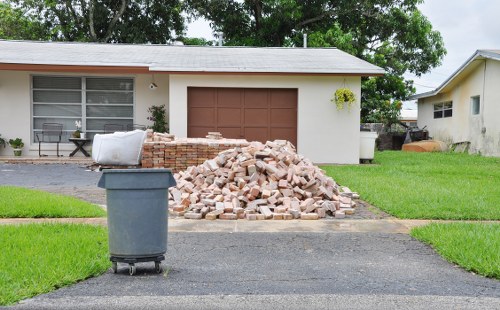
To request a quotation, it helps to describe the main items that need removing, how much space they occupy and whether anything is especially bulky, heavy or awkwardly placed. You do not need to create a full inventory, but a few clear notes usually make the process smoother. If there are bags, piles, stacks or containers, saying how the waste is grouped can also help us understand the likely scale of the clearance.
It is also useful to mention any access points, parking considerations or restrictions that could affect loading. Gardens differ widely in how easy they are to reach, and those practical details can make a difference to planning. Clear information at the start helps keep the quotation relevant to the actual work, which is better for everyone than guessing at the scope.
Request a quotation for your Thornton Heath garden clearance when you are ready, or use the contact route that best suits you if you would like to discuss the job first. We can then review the materials involved and agree a suitable approach for the clearance.
Choosing the right scope for your garden
Not every outdoor tidy-up needs the same level of intervention. Some gardens only need a modest removal of prunings and a few unwanted items, while others contain a much broader mix of waste that has built up over time. Choosing the right scope matters because it keeps the work realistic and the pricing aligned with the actual job. A clear description of the material involved is usually the best starting point.
It can also be helpful to think about the end result you want. For some customers, the aim is to reclaim access to paths and planting areas. For others, it is to empty an overgrown corner, remove unusable items or prepare the garden for later maintenance. However the task is defined, we focus on the removal stage and keep the service practical, tidy and manageable.
If you are weighing up related services, the flat clearance and furniture disposal pages may be useful when the overall project includes indoor clutter or individual pieces that need removing separately from the garden waste.
Useful related services and next steps
For larger or mixed clearances, it is often worth looking at the full range of removal options so you can match the service to the items on site. Some jobs are mostly garden waste, while others include old household furniture, broken fittings or general junk that has ended up outdoors. We keep the service descriptions clear so you can decide whether a dedicated garden clearance is enough or whether a broader removal page is a better fit.
Our related pages can help you compare similar services before you enquire. For example, the loft clearance and office clearance pages may be useful if your property project extends beyond the garden, while the builders waste clearance page is relevant where the site includes renovation debris rather than purely domestic outdoor clutter.
When you are ready to make a decision, keep the focus on the items that need removing and any practical access issues. That is usually enough to move from an initial idea to a usable quote. If you would like to go ahead, the simplest next step is to send the details and ask for a quotation.